
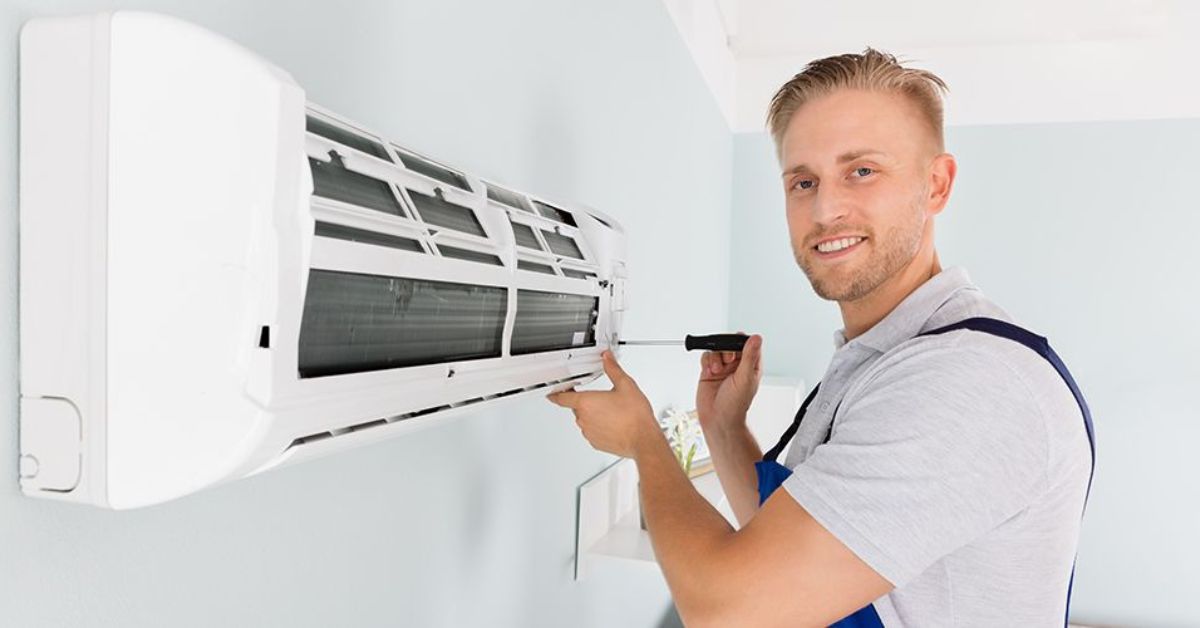
AC not cooling in Dubai is usually caused by dirty filters, low refrigerant, blocked airflow, or compressor issues. Fixing these early can restore cooling and prevent costly repairs.
When the desert sun pushes Dubai temperatures past fifty degrees, an AC not cooling in Dubai is not just uncomfortable; it can quickly become a serious problem. In extreme heat, even a small AC issue can affect your comfort and health if ignored.
Whether your split AC is blowing warm air in Dubai Marina or your villa system is struggling in Arabian Ranches, understanding the cause early can save you time, money, and stress. In this guide, you will learn the most common reasons your AC stops cooling in Dubai and how to fix them quickly.
Common Causes of AC Not Cooling in Dubai
Air conditioning systems in the UAE battle environmental stressors unheard of in temperate climates. The combination of ambient heat exceeding fifty degrees Celsius, saline atmospheric corrosion within five kilometers of the coastline, and fine desert dust infiltration creates a perfect storm for component failure.
Coastal corrosion: attacks outdoor condenser units in JBR, Palm Jumeirah, and Dubai Marina. Salt aerosols accelerate galvanic corrosion between aluminum fins and copper tubes, causing refrigerant leaks that standard technicians miss. Meanwhile, inland communities like Arabian Ranches and Dubai Silicon Oasis face nabaa infiltration: microscopic sand particles that clog condenser fins within weeks, forcing compressors to draw maximum amperage until they seize.
The 2026 regulatory landscape adds another layer. With ESMA mandating minimum SEER ratings of sixteen and the complete phase-out of R22 refrigerant, legacy systems face higher failure rates as they struggle against efficiency demands during July and August peak loads. If your unit was installed before 2018, it likely uses obsolete refrigerants and undersized compressors for current heat indices.
Emergency Diagnostic: The Five-Minute Checklist
Before calling for service, verify these non-invasive checkpoints to prevent unnecessary dispatch fees:
Thermostat Calibration: Verify the unit is set to “Cool” mode with a target five degrees below current room temperature. Dubai’s voltage fluctuations often reset digital thermostats or drain batteries, causing erroneous readings.
Electrical Integrity: Check your breaker panel for tripped switches. In older Deira and Bur Dubai properties, aging electrical infrastructure struggles with the startup surge of T3 tropicalized compressors. Reset only if the breaker trips again; you have a hard electrical fault requiring immediate professional intervention.
Airflow Obstruction: Inspect return vent filters. In Dubai’s climate, washable filters need bi-weekly cleaning, not monthly. If you can see dust matting blocking fifty percent of the mesh, that’s your culprit. Clean with mild detergent and dry completely before reinstalling.
Outdoor Unit Clearance: Ensure two meters of clear space around your condenser. Construction debris, palm fronds, or even accumulated sand from recent storms can restrict heat rejection. However, never attempt to clean coils with high-pressure water fin damage at pressures exceeding 500 PSI causes permanent efficiency loss.
Ice Formation Check: Look for frost on copper refrigerant lines. Ice indicates either severe airflow restriction or low refrigerant charge. If present, power down the system immediately for twenty-four hours to thaw. Running a frozen unit forces liquid refrigerant into the compressor, causing catastrophic mechanical failure.
Common Failure Modes in the UAE Climate
Refrigerant Leaks (Low Charge)
Thirty-five percent of cooling failures in Dubai stem from leaks. Vibration from compressor operation loosens flare fittings, while micro-abrasions from sandstorms create pinholes in copper lines. The telltale signs: the system runs for ten minutes, then blows warm air, hissing sounds from the outdoor unit, or ice formation on the suction line.
Critical Note: Simply “topping up” refrigerant violates UAE environmental codes. Our technicians use electronic leak detectors and nitrogen pressure testing to locate and braze-repair leaks permanently. We handle R32, R410A, and can advise on R22 system retrofitting or replacement.
Capacitor Failure
The dual-run capacitor starts both your compressor and condenser fan. In Dubai’s heat, electrolyte expansion reduces lifespan to three or four years versus eight to ten globally. If your outdoor unit hums but doesn’t start, or if the fan spins slowly and then stops, you have a capacitor heading toward failure.
Safety Warning: Capacitors hold lethal voltage even when power is disconnected. Never attempt replacement yourself. Our mobile units carry T3-rated capacitors for all major brands, including Carrier, Daikin, O General, LG, and Mitsubishi Electric.
Compressor Malfunction
When the hermetic compressor fails, you’re facing the most expensive repair decision. If your unit is over eight years old and the compressor has seized, replacement often exceeds fifty percent of the system value. We provide honest assessments: sometimes a new R32 inverter system pays for itself within eighteen months through DEWA bill reductions of thirty to forty percent.
Evaporator Coil Freezing
Restricted airflow from dirty filters or low refrigerant causes the indoor coil to freeze. In Dubai’s ninety-percent morning humidity, this creates rapid water damage and Aspergillus mold proliferation. If you notice water stains on ceiling tiles or musty odors when the system runs, you have a biological contamination issue requiring chemical coil cleaning and condensate line flushing.
Location-Specific Solutions
High-Rise Living: Dubai Marina, JLT, Downtown Dubai
Properties above the tenth floor face unique challenges. External unit access requires bosun chairs or building maintenance cradles. Many EMAAR and Dubai Holding properties restrict service hours due to noise ordinances. We coordinate with building management for safe crane access and carry the specific insurance documentation required for high-rise work.
Marina apartments also suffer from galvanic corrosion at triple the rate of inland properties. We apply marine-grade coil coatings and install sacrificial anodes on outdoor units to extend lifespan.
Villa Communities: Arabian Ranches, Emirates Hills, Mirdif
Ducted systems in villas often lose thirty percent of cooling through poorly sealed ductwork. Desert sand settles in gaps, creating blockages that force the system to run continuously. We offer Aeroseal treatment or manual duct sealing with mastic, plus no-see-um mesh screens to prevent future infiltration during sandstorms.
Villas also face BTU mismatch issues. Many properties were built with twelve-thousand BTU units for six-hundred square foot rooms with floor-to-ceiling glass. In 2026, heat waves, properly sized units need twenty BTU per square foot minimum; anything less fails during peak afternoon loads.
Historic Districts: Deira, Bur Dubai
Pre-2010 buildings often contain R22 legacy systems with rusted mounting brackets and electrical panels that can’t handle modern inverter startup loads. We specialize in retrofitting these properties with updated breaker panels and vibration-dampening mounts that meet current Dubai Municipality building codes.
DIY Fixes vs. Professional Repair
You can safely handle filter cleaning and thermostat battery replacement. However, refrigerant handling requires a UAE-certified HVAC license under environmental protection laws. DIY attempts void manufacturer warranties and risk five-thousand-dirham fines from Dubai Municipality for CFC release.
Call immediately if you detect:
- Burning smells or screeching noises (electrical fire risk)
- Grinding sounds from the outdoor unit (compressor seizing)
- Complete power failure with burning odors
- Water leaking near electrical panels (electrocution hazard)
- Indoor temperatures exceeding thirty-two degrees Celsius with vulnerable occupants (elderly, infants, respiratory conditions)
The 2026 Refrigerant Transition
R22 (Freon) is now prohibitively expensive and environmentally banned for new installations. If your system still uses R22, we offer retrofitting to R410A where possible, though full replacement is often more economical. New installations must use R32 refrigerant, which offers higher efficiency and lower global warming potential but requires specialized handling certification that our technicians maintain.
Preventive Maintenance: Survival Through Summer
Reactive repairs cost three times more than prevention. For Dubai’s climate, we recommend:
Monthly (Homeowner): Wash reusable filters with mild detergent. Check the outdoor unit for visible debris. Verify thermostat calibration.
Quarterly (Professional): Chemical foaming of both indoor and outdoor coils, refrigerant pressure testing, electrical connection tightening, and condensate drain flushing with nitrogen to prevent Legionella buildup.
Annual (Comprehensive): Duct inspection for leaks, compressor amp-draw testing, and blower motor lubrication. Schedule major maintenance in March-April and October to avoid peak season technician shortages.
Conclusion
Dubai’s extreme climate demands more than quick fixes; it requires climate-specific expertise that understands saline corrosion, sand infiltration, and the unique electrical loads of desert operation. Whether you’re facing a complete compressor failure in Arabian Ranches or need emergency diagnostics in JLT, Yaseen AC Fix delivers repairs that respect both your comfort and your budget.
Don’t let a failing system turn your home into a sauna. Our Dubai Municipality-certified technicians are available now with fully stocked vans covering every community from Palm Jumeirah to Silicon Oasis. Book your diagnostic online or call our twenty-four-hour hotline for immediate relief.
Frequently Asked Questions
How quickly can you reach Dubai Marina during an emergency?
Our average response time in Marina, JLT, and Downtown is sixty to ninety minutes during business hours, and under two hours for overnight emergencies. We maintain dedicated vans stocked with T3 compressors and R32 refrigerant specifically for high-rise deployments.
Why does my AC work at night but fail during the day?
Your unit is likely low on refrigerant or undersized for current heat loads. When ambient temperatures drop to thirty-five degrees at night, marginal systems can maintain setpoints. During forty-eight-degree afternoons, they run continuously without achieving target temperatures, indicating imminent compressor failure.
Is an AC gas refill included in your maintenance contract?
No ethical provider includes refrigerant top-ups in standard AMCs because proper systems shouldn’t lose charge. If you’re “topping up” gas biannually, you have a leak that violates environmental codes. Our maintenance includes pressure testing to catch leaks before they drain your system.
Do you service older buildings in Deira with R22 systems?
Yes, though we strongly recommend retrofitting assessments. We carry R22 for legacy repairs, but stock is increasingly limited, and prices have increased by three hundred percent since 2020. We can evaluate whether your electrical infrastructure supports R32 conversion or if full replacement is safer.
What’s included in your ninety-day warranty?
We guarantee our workmanship and installed parts for ninety days. If the same component fails due to an installation error, we repair it at no charge. This excludes subsequent damage from power surges, sandstorms, or failure to maintain clean filters.
Can you handle inverter AC repairs?
Absolutely. Inverter systems require specialized diagnostic tools to check PCB boards and variable speed drives. Our technicians are certified by major manufacturers, including Daikin, Carrier, and LG, for inverter-specific repairs, not just “gas and go” services.